Healthcare Laundry Stain Categories Detergent Manufacturers Should Track
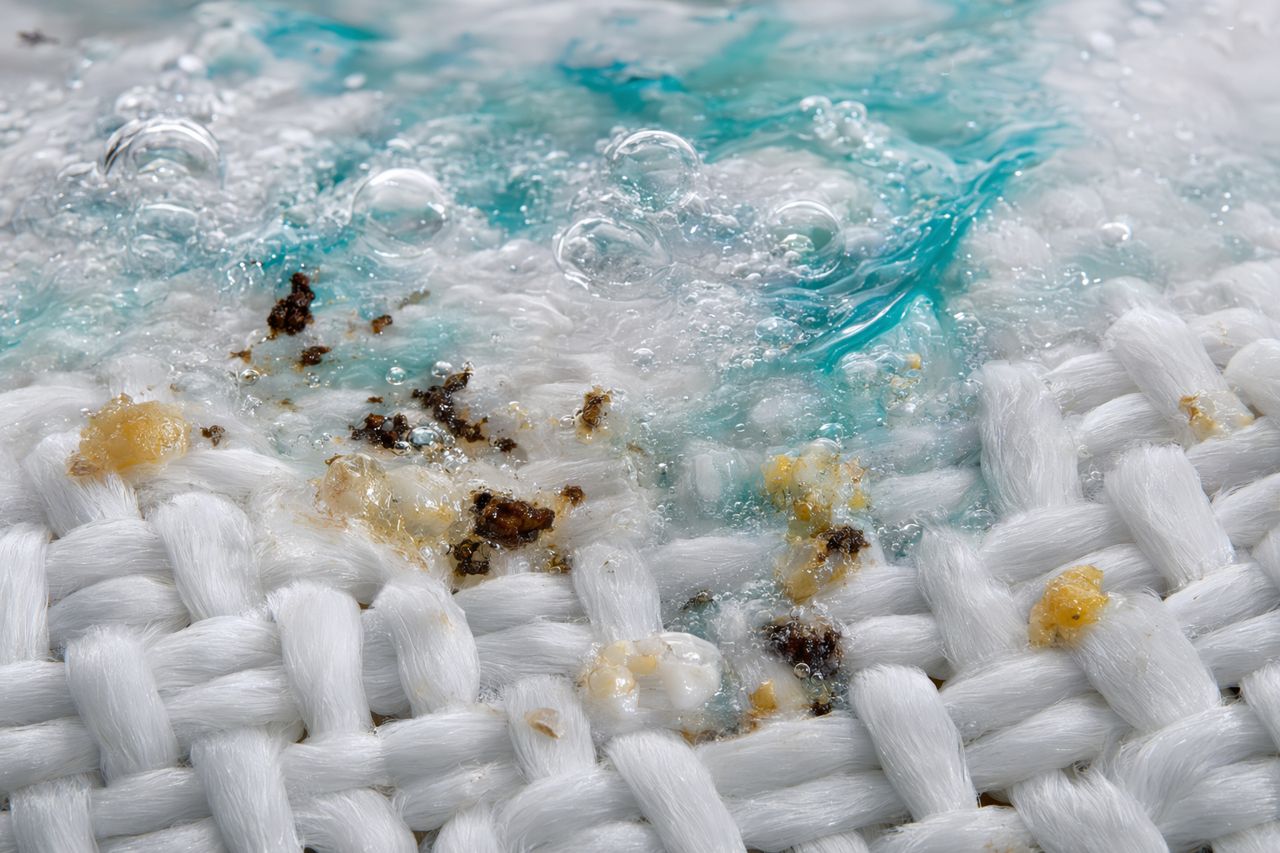
Healthcare laundry is not one stain problem. It is a shifting mix of proteinaceous soils, body oils, particulate matter, carbohydrate residues, mineral loading, and oxidizable discoloration carried across institutional textile streams.
For detergent manufacturers, that matters commercially. A product positioned for healthcare laundry must be built around stain diversity, wash variability, textile preservation, and compatibility with the rest of the wash program. Enzyme selection is part of that system, not a standalone claim.
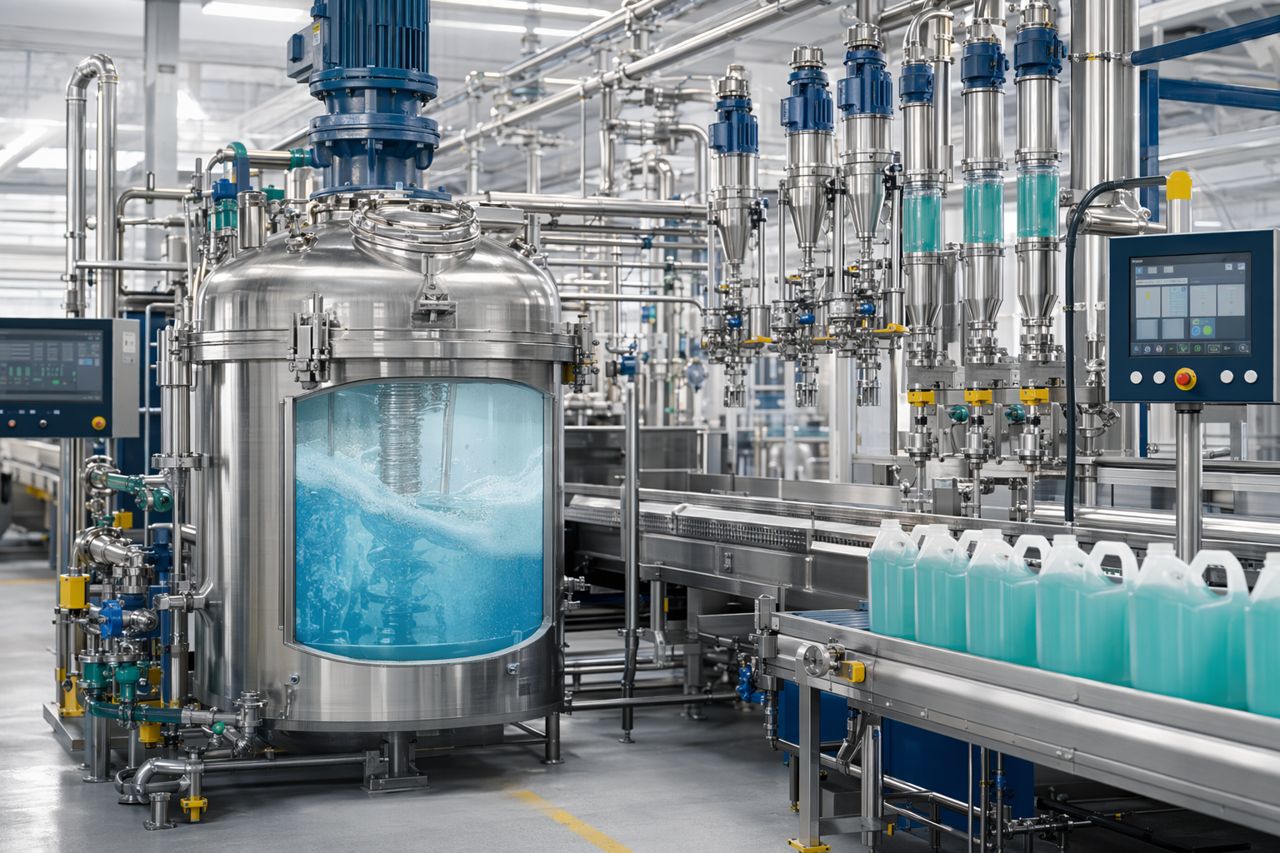
Foamforge supplies bulk enzymes for detergent manufacturing with a formulation-led approach: practical compatibility guidance, blend-development support, and supply formats designed for scale-up into industrial cleaning products.
Why healthcare laundry requires category-based stain thinking
Institutional healthcare textiles can carry mixed soils from patient care, staff garments, food service, housekeeping, and general facility use. These soils do not respond to one chemistry in the same way.
A useful product brief should separate stain categories before selecting enzyme classes, surfactants, builders, chelants, alkalinity, bleach timing, and foam-control strategy.
For detergent manufacturers, this approach helps with:
- More precise enzyme blend selection
- Better compatibility decisions across pH, surfactants, builders, and oxidants
- Cleaner product positioning for institutional buyers
- More realistic performance expectations during customer trials
- Reduced reformulation risk during scale-up
This article does not address disinfection, sanitization, or medical treatment claims. It focuses on soil removal and detergent formulation strategy.
1. Protein-rich stains
Protein-rich soils are common in institutional textile streams. They may include hemoglobin-containing residues, body fluids, food proteins, skin-derived matter, and other nitrogen-rich deposits.
Formulation implications
Protease is often considered where proteinaceous stain load is a key performance target. However, protease performance depends on the surrounding detergent architecture.
Formulators should evaluate:
- pH range and alkalinity profile
- Surfactant type and concentration
- Builder and chelant package
- Oxidant exposure and dosing sequence
- Product storage conditions
- Textile exposure time during wash cycles
Positioning note
A healthcare laundry detergent can reference protein stain removal support without implying hygienic, antimicrobial, or clinical outcomes. Keep the claim anchored to textile soil performance.
2. Lipid and sebum-based soils
Healthcare laundry includes body oils, ointment residues, skin-contact soil, lotion carryover, and greasy food-service stains. These stains can bind to polyester-rich blends and create grey cast, residual odor perception, or redeposition concerns.
Formulation implications
Lipase can support lipid soil breakdown, but it should be assessed within a surfactant system capable of wetting, emulsification, and soil suspension.
Key formulation questions include:
- Is the surfactant system strong enough to move loosened lipid soil away from the textile?
- Does the formula control redeposition under high soil load?
- Are hydrophobic textile blends part of the customer base?
- Will wash conditions allow enough contact time for the intended benefit?
Positioning note
Lipid soil claims are especially relevant for institutional laundries serving mixed healthcare and hospitality-style textile loads, where oils, creams, and food residues can overlap.
3. Carbohydrate and starch residues
Starch-based soils may come from food service, patient meals, sauces, dressings, thickeners, and linen handling environments. Once dried, these residues can bind other soils and complicate removal.
Formulation implications
Amylase can be considered where starch breakdown is relevant to product positioning. It is frequently evaluated alongside protease and lipase in broad-spectrum institutional detergent concepts.
Manufacturers should assess:
- Compatibility with liquid or powder base chemistry
- Storage stability in the selected concentrate format
- Interaction with builders and processing aids
- Impact on overall stain-release profile, not just isolated starch removal
Positioning note
Starch and food-soil claims are useful where healthcare laundry products are also expected to perform on dietary, kitchen, and service-area textiles.
4. Particulate and environmental soils
Dust, lint-bound soil, clay, carbonaceous particles, and facility-derived grime can enter healthcare textile systems through handling, transport, storage, and maintenance activities.
Formulation implications
Particulate soil removal depends heavily on wetting, dispersion, suspension, water hardness management, and rinse efficiency. Enzymes may not be the primary tool, but they can help remove organic binders that hold particulate matter to fibers.
Formulators should focus on:
- Soil suspension and anti-redeposition chemistry
- Water hardness control
- Foam profile under mechanical agitation
- Textile shade and whiteness maintenance
- Compatibility with downstream finishing processes
Positioning note
For this category, avoid overstating enzyme contribution. Position the detergent as a balanced system where enzymes complement surfactants, builders, and dispersants.
5. Cellulosic fuzz, greying, and textile appearance issues
Healthcare textiles are laundered repeatedly. Appearance retention can be as important as stain removal, especially for sheets, towels, gowns, and reusable facility textiles.
Formulation implications
Cellulase may be considered for cotton-rich textiles where fibril management and surface appearance are relevant. It should be handled carefully because textile type, wash intensity, and exposure pattern influence outcome.
Manufacturers should consider:
- Fabric composition across the target customer base
- Desired balance between appearance care and fabric strength retention
- Compatibility with other enzymes in the blend
- Fit with premium, maintenance, or appearance-care positioning
Positioning note
Cellulase is best framed around textile appearance support, not clinical cleanliness.
6. Mixed oxidizable discoloration
Some healthcare laundry stains include color bodies that may require oxidizing chemistry. Enzyme systems can support removal of surrounding organic soil, but they are not a substitute for a properly designed oxidant stage where that stage is part of the wash program.
Formulation implications
The core question is sequencing. Many enzyme systems are sensitive to direct exposure to strong oxidants, so manufacturers often evaluate whether enzyme benefit should occur before, separate from, or protected within an oxidizing step.
Areas to review:
- Oxidant compatibility and timing
- Liquid concentrate stability
- Powder blend segregation strategy
- Customer dosing practices
- Expected storage and transport temperatures
Positioning note
For healthcare laundry detergent positioning, it is safer and more credible to describe stain-release support and system compatibility than to imply broad stain elimination under all wash programs.
7. Odor-associated organic residues
Odor perception in institutional laundry can be linked to residual organic soils, lipid films, protein residues, and incomplete rinsing. Detergent manufacturers should treat odor positioning carefully and avoid claims that imply antimicrobial performance unless independently supported through the appropriate framework.
Formulation implications
A detergent system targeting odor-associated residues may combine enzyme action with surfactant cleaning, soil suspension, and rinse design.
Questions for product teams:
- Which soil types are driving the odor perception?
- Is the product intended for main wash, pre-soak, booster, or specialty application?
- Does the enzyme blend align with the target organic residue profile?
- Are fragrance and malodor-control technologies being used separately from cleaning chemistry?
Positioning note
Use language such as organic residue removal support or helps address soil-related odor sources. Avoid hygienic or antimicrobial implication unless that is outside the detergent claim set and properly validated.
Building an enzyme strategy for healthcare laundry detergents
A category-based approach helps manufacturers avoid generic enzyme selection. Instead of asking for a broad enzyme blend, formulation teams can specify the stain profile, detergent format, and customer use environment.
Practical development inputs to define early
- Target textile types and blend ratios
- Main stain categories by customer segment
- Liquid, powder, pod, or booster format
- pH profile and alkalinity target
- Surfactant and builder system
- Oxidant presence and dosing sequence
- Storage temperature exposure
- Foam tolerance in target wash equipment
- Required label and claim boundaries
- Regional supply and documentation needs
These inputs shape enzyme class selection, stabilization approach, blend feasibility, and scale-up route.
Where Foamforge supports detergent manufacturers
Foamforge works with industrial cleaning product manufacturers developing enzyme-enabled detergents, boosters, and laundry additives for institutional textile care.
Our support is focused on practical commercialization:
- Bulk enzyme supply for detergent manufacturing
- Protease, lipase, amylase, cellulase, and blend-development options
- Compatibility guidance for surfactant, builder, chelant, and oxidant systems
- Liquid and dry-format formulation considerations
- Scale-up discussion for pilot and production batches
- Documentation support aligned to B2B procurement needs
- Supply continuity planning for recurring production
We do not position enzymes as a shortcut around formulation discipline. The right enzyme system should fit the detergent architecture, the manufacturing process, and the buyer’s claim strategy.
Commercial takeaway
Healthcare laundry detergents need disciplined stain mapping. Protein, lipid, starch, particulate, cellulosic, oxidizable, and odor-associated residues each place different demands on the formulation.
For manufacturers, the opportunity is to build products that are technically credible and commercially specific: clear stain targets, compatible enzyme chemistry, stable formats, and claims that match the intended wash environment.
Request a quote
Developing a healthcare laundry detergent, institutional booster, or enzyme-enabled cleaning product? Share your target format, stain priorities, pH range, surfactant system, and expected production scale through the on-site quote form.
Request a quote